Why Everyone Feels Burnt Out in 2026 (And No One Is Talking About It)
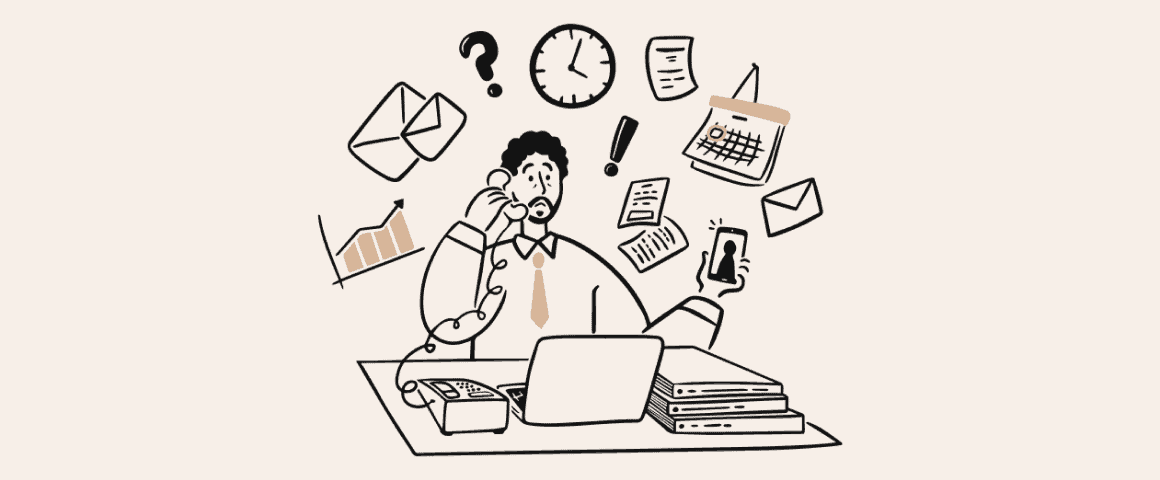
The Silent Epidemic: Understanding Modern Burnout in 2026
Introduction
Burnout used to be simple: work too many hours, get exhausted, take a vacation. In 2026, burnout has evolved into something far more insidious.
People wake up tired after eight hours of sleep. They feel unmotivated despite achieving their goals. They're exhausted, but they can't pinpoint why.
This is modern burnout—and it's quietly affecting millions of people who don't even realize they have it.
The New Face of Burnout
Here's what's changed: you don't need to work 80-hour weeks to burn out anymore. You can be unemployed and still feel completely drained. You can work from home in comfortable clothes and still wake up dreading the day.
Modern burnout stems from a different source—cognitive overload rather than physical exhaustion:
- Notification fatigue: Your phone demands attention hundreds of times per day
- Infinite content streams: There's always one more video, article, or post to consume
- Ambient pressure: The constant feeling that you should be optimizing, improving, hustling
- Perpetual availability: The invisible expectation to respond immediately, always
Your mind never truly powers down. Even during "rest," you're scrolling, checking, consuming.
Death by a Thousand Pings
Consider this: the average person now processes more information in a single day than someone in the 15th century encountered in their entire lifetime.
We're drowning in data—breaking news, work messages, social updates, advertising, hot takes, think pieces, and endless opinions about everything.
Our brains weren't built for this. Evolution designed us for processing maybe 150 social relationships in a small tribe, not 1,500 followers, friends, and professional contacts across multiple platforms.
Instead of experiencing boredom—which our minds need to process and reset—we immediately reach for our phones. We've replaced every moment of potential rest with stimulation.
"Mental exhaustion doesn't require physical exertion. Your brain can be utterly depleted while your body sits perfectly still."
Hustle Culture Wearing a Disguise
You might think hustle culture died when people started posting about "soft living" and "rest is productive." It didn't. It just rebranded.
The new hustle culture whispers:
- "Your hobby should be a side hustle—otherwise it's just wasted potential"
- "Everyone's launching something while you're still thinking about it"
- "Self-care is great, but have you optimized your morning routine?"
- "Resting is fine if you've earned it (but have you really?)"
The pressure to be productive has become so internalized that many people feel guilty for watching TV, anxious about taking a true day off, or ashamed for not turning their passion into profit.
Rest no longer feels like a right. It feels like something you have to deserve.
The Symptoms We Ignore
Modern burnout doesn't always look like exhaustion. It manifests as:
- Persistent lack of motivation—even for things you used to love
- Emotional flatness—feeling numb rather than happy or sad
- Irritability—snapping at people over small things
- Free-floating anxiety—dread without a specific cause
- Perpetual inadequacy—the feeling of always being behind in life
- Decision fatigue—even small choices feel overwhelming
- Physical symptoms—headaches, tension, disrupted sleep despite being "tired"
This isn't laziness. This isn't a character flaw. This is what happens when your nervous system stays in overdrive for too long.
The Normalization Problem
Here's why modern burnout is so dangerous: we've normalized functioning while depleted.
We celebrate people who respond to emails at midnight. We admire those who "don't need much sleep." We've created entire industries around productivity hacks that help us squeeze more output from already-exhausted minds.
But here's the truth: productivity tools help you cope with burnout. They don't prevent it. They don't heal it.
"Being functional is not the same as being well. Surviving is not the same as thriving."
What Actually Works
Recovery from modern burnout isn't about finding motivation or building discipline. It's about strategic subtraction.
Practical Steps Forward:
Digital Boundaries
- Turn off non-essential notifications completely
- Establish phone-free zones and times
- Delete apps that trigger mindless scrolling
Embrace Real Boredom
- Sit without stimulation for 10 minutes daily
- Take walks without podcasts or music
- Let your mind wander without directing it
Protect Offline Time
- Create hours where you're genuinely unreachable
- Engage in activities with no productivity goal
- Rediscover hobbies that don't "optimize" anything
Practice Radical No
- Decline invitations without elaborate excuses
- Release the guilt around setting boundaries
- Accept that disappointing some people is necessary for your wellbeing
Question the Narratives
- Challenge the belief that rest must be earned
- Recognize that you are not your productivity
- Remember that your worth isn't measured in output
In 2026, choosing rest is an act of resistance. It's refusing to accept that your value lies in your ability to perform, produce, and stay perpetually available.
Moving Forward
Modern burnout is quiet. It's common. It's deeply, profoundly human.
If you feel exhausted for no clear reason, you are not broken. You're not weak. You're not falling behind.
You're having a completely normal response to an abnormal amount of stimulation, pressure, and expectation.
The world won't slow down for you. But you can slow down in it.
And that might be the most important thing you do this year.
Your mind deserves the same care you give your phone—regular rest, strategic disconnection, and permission to just... be.