Introduction to Community-Based Surveillance (CBS)
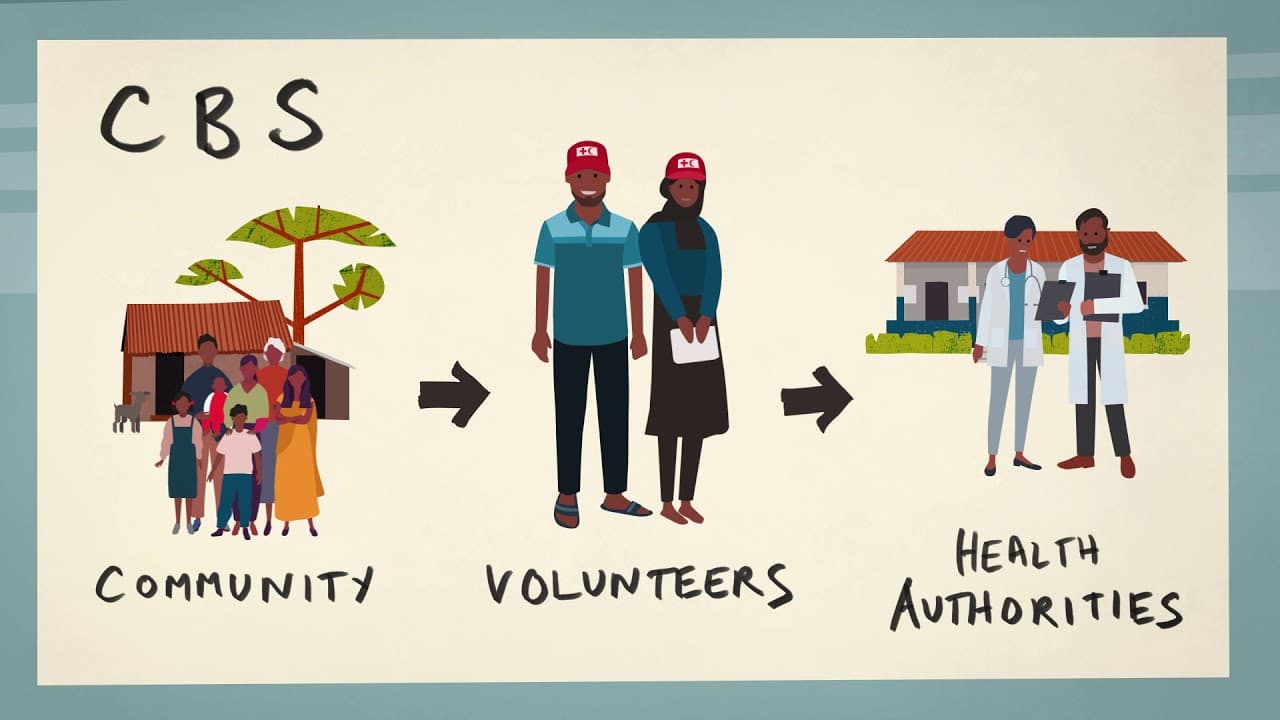
Introduction to Community-Based Surveillance (CBS)
What is Community-Based Surveillance?
Community-Based Surveillance (CBS) is a public health approach that empowers community members to actively participate in detecting, reporting, and responding to health events within their communities. It focuses on early identification of unusual health events, diseases, or risks at the community level before they escalate into larger public health emergencies.
Purpose of CBS
The main goal of CBS is to strengthen early warning systems by leveraging local knowledge and community networks. By involving trusted community actors, CBS improves the timeliness, sensitivity, and reach of disease surveillance, especially in hard-to-reach or underserved areas.
Key Principles of CBS
- Community engagement: Community members are central to identifying and reporting health events.
- Simplicity: Reporting tools and case definitions are easy to understand and use.
- Timeliness: Rapid detection and reporting enable faster response.
- Action-oriented: Information collected leads to prompt public health action.
- Integration: CBS complements facility-based and event-based surveillance systems.
How CBS Works
- Identification: Community volunteers observe and recognize predefined health signals or unusual events.
- Reporting: Information is reported through agreed channels such as mobile phones, USSD, SMS, or community health workers.
- Verification: Health authorities validate the reported information.
- Response: Appropriate public health actions are taken, including investigation, referral, or community sensitization.
- Feedback: Communities receive updates on actions taken to maintain trust and motivation.
Examples of Events Monitored in CBS
- Unusual increases in illness or deaths
- Suspected outbreaks (e.g., cholera, measles, COVID-19)
- Animal die-offs or zoonotic disease signals
- Environmental hazards (floods, contamination)
- Disruptions to essential health services
Benefits of CBS
- Early detection of outbreaks
- Improved community ownership of health
- Enhanced surveillance in remote areas
- Faster response and reduced disease spread
- Strengthened trust between communities and health authorities
Role of CBS in Public Health Systems
CBS does not replace traditional surveillance systems; instead, it complements them by filling gaps where health facility data may be delayed or incomplete. When integrated effectively, CBS strengthens national and local health security and resilience.
Conclusion
Community-Based Surveillance is a vital component of modern public health systems. By placing communities at the center of disease detection and response, CBS enhances early warning, promotes rapid action, and contributes to healthier, more resilient populations.